

Fail Into Success: How Failing Makes Winners
Did you know that children learn more efficiently when they fail? Many parents in the modern world shield their children from hardship to protect them. However, moderate levels of challenge and uncertainty trigger neurochemicals like noradrenaline and acetylcholine. These neurochemicals heighten alertness, attention, and memory formation. Children’s brains are highly plastic, which means they are much easier to mold and ____ to learn compared to adults. Margulieux et al. (2025) demonstrates how “productive failure” followed by feedback and reflection without shame boosts learning. And when these failing exposures are repeated, children grow to be more tolerant of challenges.
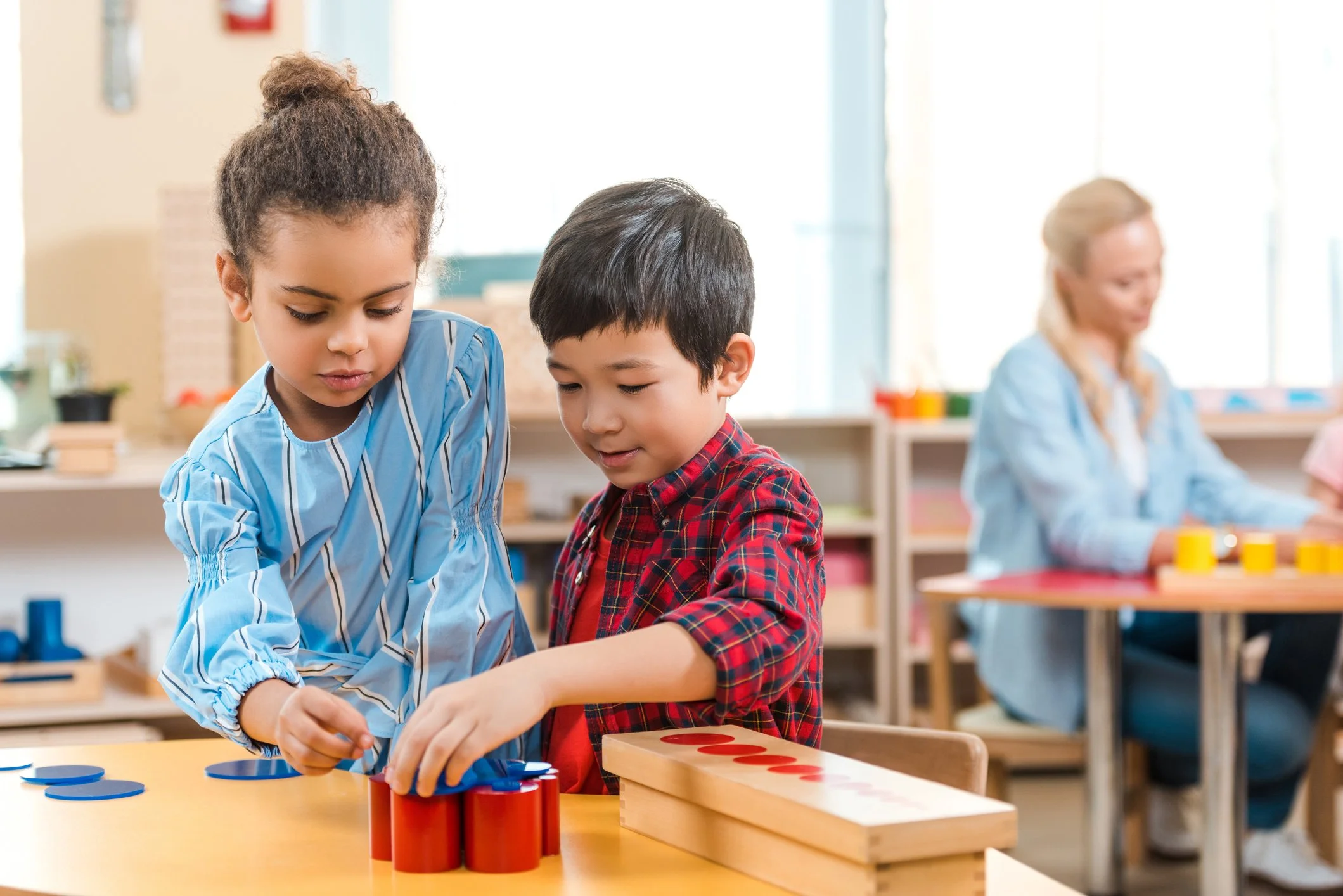
Kapur (2014) also found that productive failure is better than direct instruction and vicarious failure. This means that though learning from others’ failures can be helpful, productive failure is still significantly more beneficial for children. Productive failure works seamlessly with the human natural tendency to learn more from our own mistakes than successes. This is because negative events and emotions have a stronger impact on us than positive ones (Baumeister et al., 2001).
At Campspire, we deliberately design activities to support each child’s journey in overcoming obstacles. We set up high-challenge, low-risk tasks where “failure” is expected, debriefed, and reframed as useful information. Our staff models growth-mindset language, coach kids to analyze what went wrong, and try again with new strategies. For families who want to engrain resilience in their child, we offer structured, research-backed experiences that help children grow from productive failure and the regulated effort that underlies true grit. Campspire prepares your child for the road, not the road for the child.
Read the full studies:
“The Biological Benefits of Failure on Learning and Tools to Manage the Fallout.”
